Aptekai.t Home

Category

Healthcare Policy & Affordability

11 articles

Automated Dispensers vs. Human Expertise: How America Lost Its Pharmacist and What Eastern Europe Still Gets Right

Automated Dispensers vs. Human Expertise: How America Lost Its Pharmacist and What Eastern Europe Still Gets Right

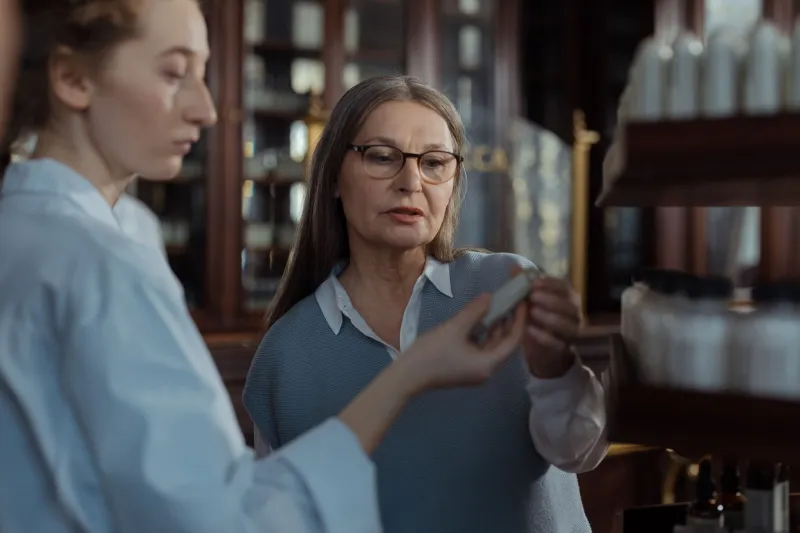
Across rural and urban America alike, the trained pharmacist is quietly disappearing — replaced by automated kiosks, telepharmacy screens, and overwhelmed technicians. Meanwhile, Eastern European countries have maintained dense, community-anchored pharmacy networks where a qualified pharmacist remains the first point of contact for millions of patients. Understanding the policy decisions behind this divide may hold the key to reversing one of America's most overlooked healthcare crises.

Prescription or Not? How Eastern Europe Draws a Different Line — And What It Means for American Patients

Prescription or Not? How Eastern Europe Draws a Different Line — And What It Means for American Patients

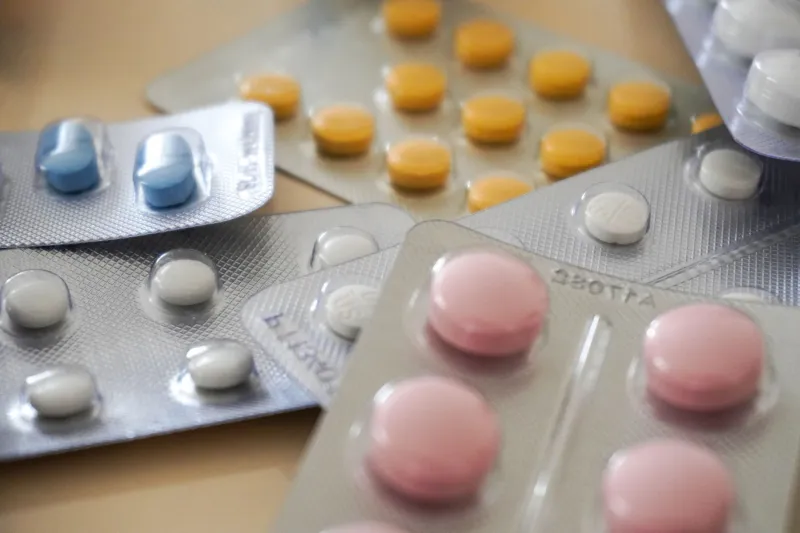
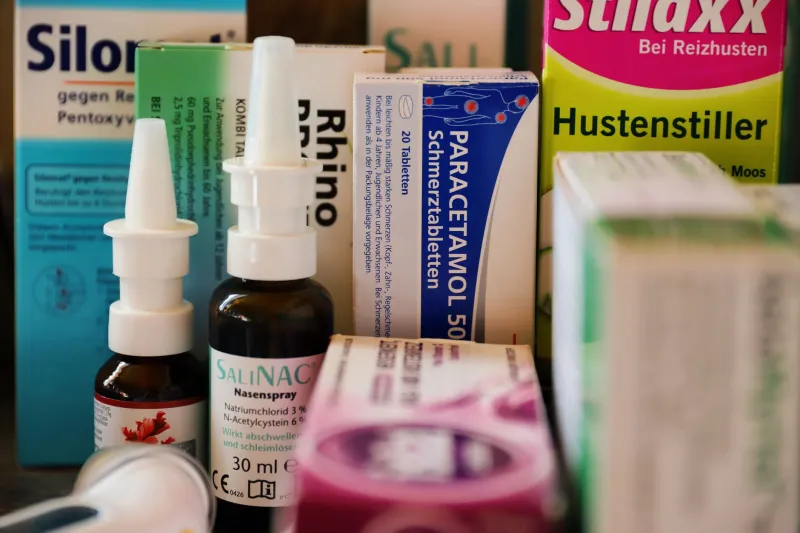
In Lithuania, Poland, and neighboring countries, many medications that require a doctor's visit in the United States sit openly on pharmacy shelves. This divergence in over-the-counter classification reflects deeply different assumptions about patient autonomy, healthcare access, and the role of the pharmacist — and it has real consequences for how people manage their health.

When Was the Last Time Your Pharmacist Sat Down With You? How Eastern Europe's Consultation Model Is Saving Lives

When Was the Last Time Your Pharmacist Sat Down With You? How Eastern Europe's Consultation Model Is Saving Lives

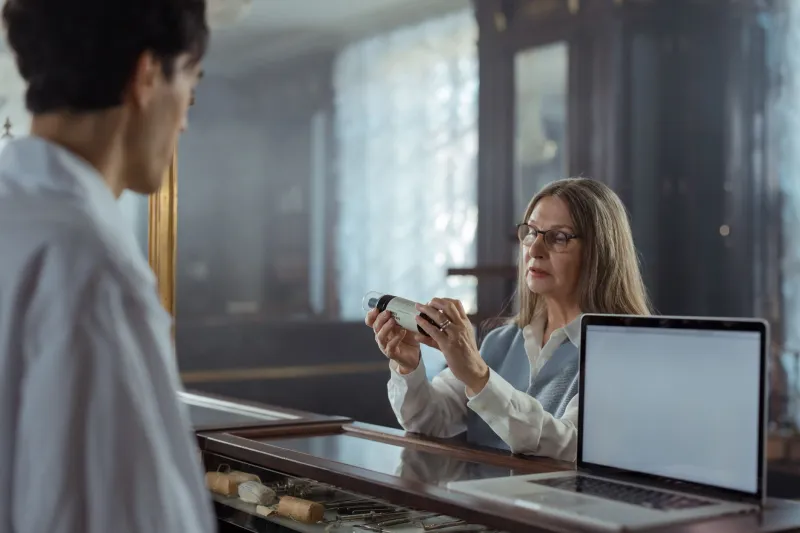
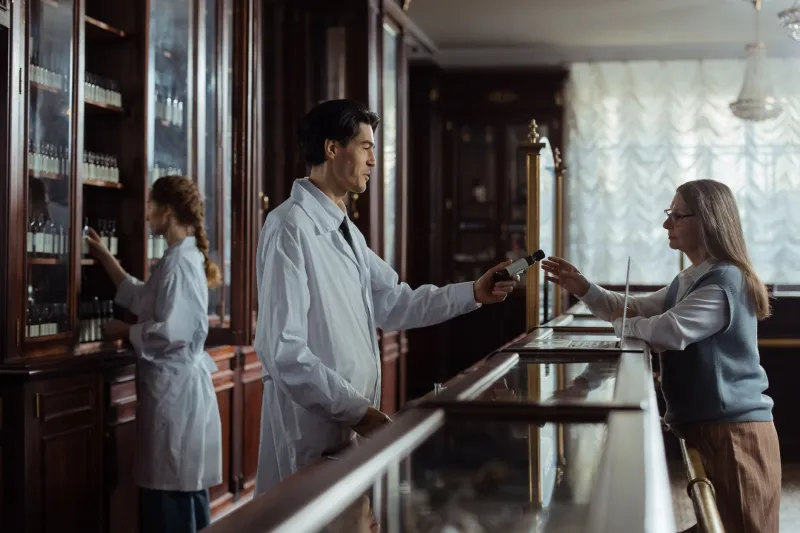
In Baltic and Eastern European pharmacies, a prescription handoff routinely involves a structured, unhurried conversation that can last half an hour. In the United States, that same interaction often concludes before a patient has finished putting away their wallet. The gap between these two models carries measurable consequences for patient safety and long-term health outcomes.

The Hidden Middlemen Driving Up Your Drug Costs — And How Baltic Nations Eliminated Them

The Hidden Middlemen Driving Up Your Drug Costs — And How Baltic Nations Eliminated Them

Pharmacy benefit managers operate largely in the shadows of the American healthcare system, quietly determining what medications cost and which ones get covered. Eastern European nations, particularly those in the Baltic region, have built regulatory frameworks that expose and constrain these intermediaries in ways that US policymakers have yet to seriously consider. Understanding how Lithuania, Estonia, and Latvia approached this problem may hold the key to meaningful pharmaceutical reform in t

What Your Pharmacist Knows About You—And What They're Not Allowed to Tell You

What Your Pharmacist Knows About You—And What They're Not Allowed to Tell You

In Lithuania and across much of Eastern Europe, patients walk into any pharmacy and receive a complete, accessible record of their medication history—including interaction warnings and documented side effects. In the United States, that same information is scattered across disconnected systems, often inaccessible even in emergencies. Here is why that gap matters, and what closing it could mean for American health outcomes.

How Eastern Europe Cracked the Generic Drug Code — And What American Patients Are Missing

How Eastern Europe Cracked the Generic Drug Code — And What American Patients Are Missing

Baltic and Eastern European nations have built pharmacy systems where high-quality generic medications are the norm, not the exception. While American patients routinely face sticker shock at the pharmacy counter, a different model has quietly been thriving across the Atlantic. Understanding how these countries achieved this balance of affordability and rigorous quality may offer a meaningful roadmap for US consumers.

Why Americans Pay Ten Times More for the Same Pill: Lessons from Baltic Pharmacy Models

Why Americans Pay Ten Times More for the Same Pill: Lessons from Baltic Pharmacy Models

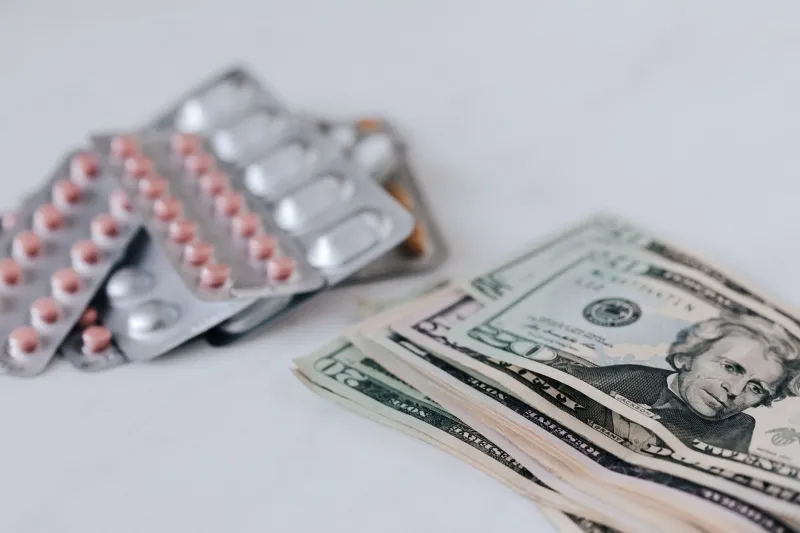
Lithuania and its Baltic neighbors have quietly developed pharmacy and pricing structures that keep essential medications accessible to ordinary citizens — without sacrificing quality. As American healthcare costs continue to climb, the Eastern European model offers a compelling, if underexplored, counterpoint. This analysis examines what the US could realistically learn from the Baltic approach to pharmaceutical affordability.